
Letter 2 - Bet Lesson
Shalom I am Rabbi Jim “Yaakov” Becka with Free Hebrew Class and this is Intro to Hebrew Reading & Writing for the letter Bet
Make sure to download the digital document to follow along and study at your own pace.
In this lesson, we’re continuing our journey through the Hebrew Alephbet with Letter 2 — Bet. Today you’ll learn how a single dot, called a dagesh, can completely change the sound of a Hebrew letter, and how to correctly sound Hebrew by identifying the consonant first, then the vowels.
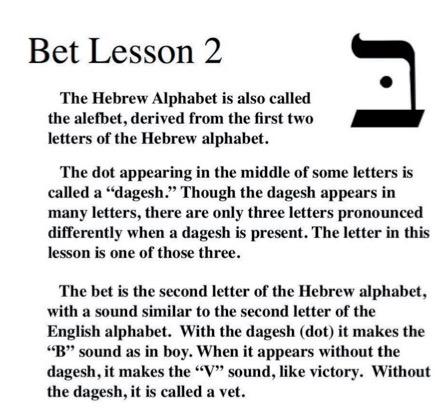
The Hebrew alphabet is also called the Alephbet, named after its first two letters: Alef and Bet. Bet is the second letter of the Hebrew alphabet, and it behaves differently depending on whether it contains a dagesh, or dot, in the center.
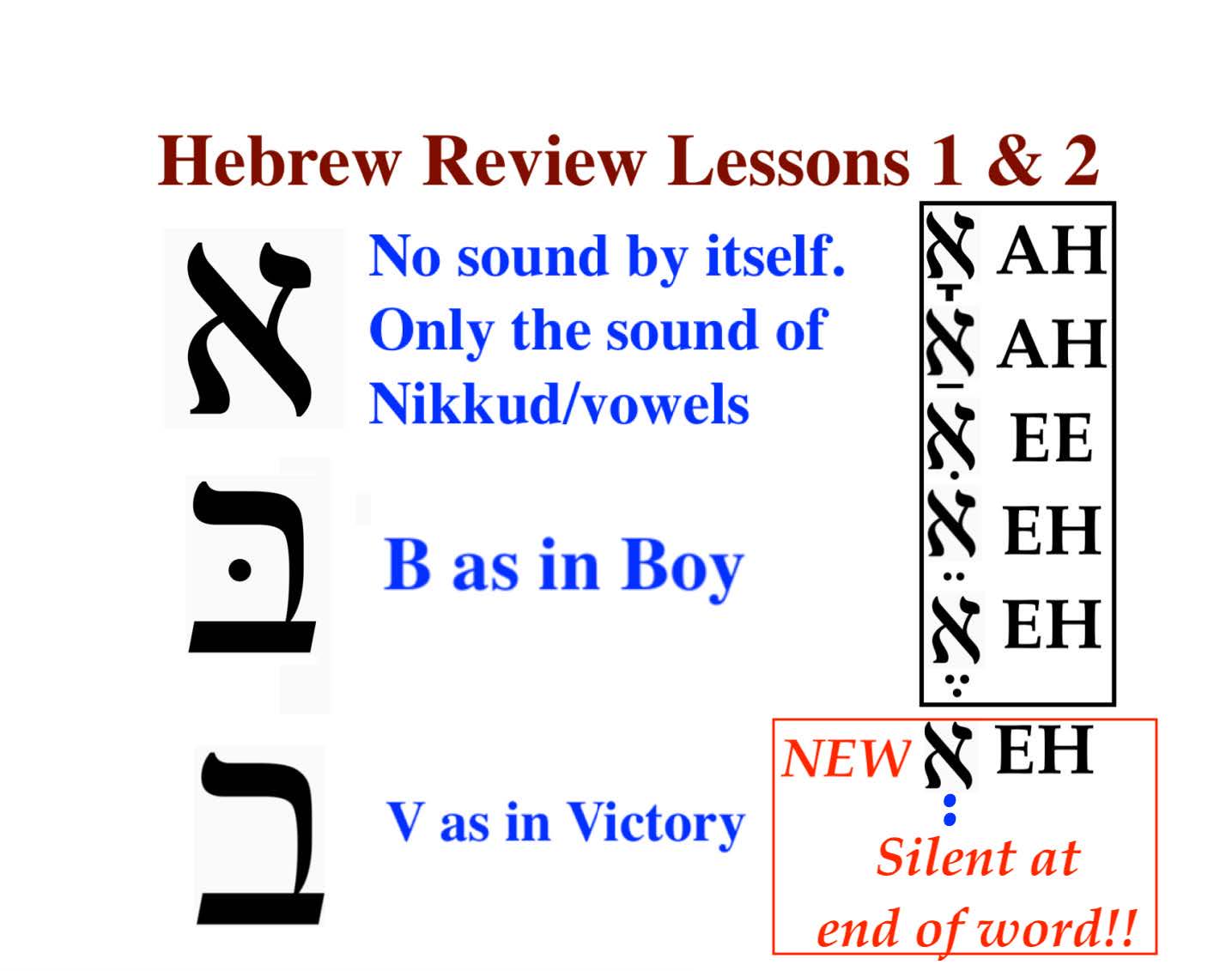
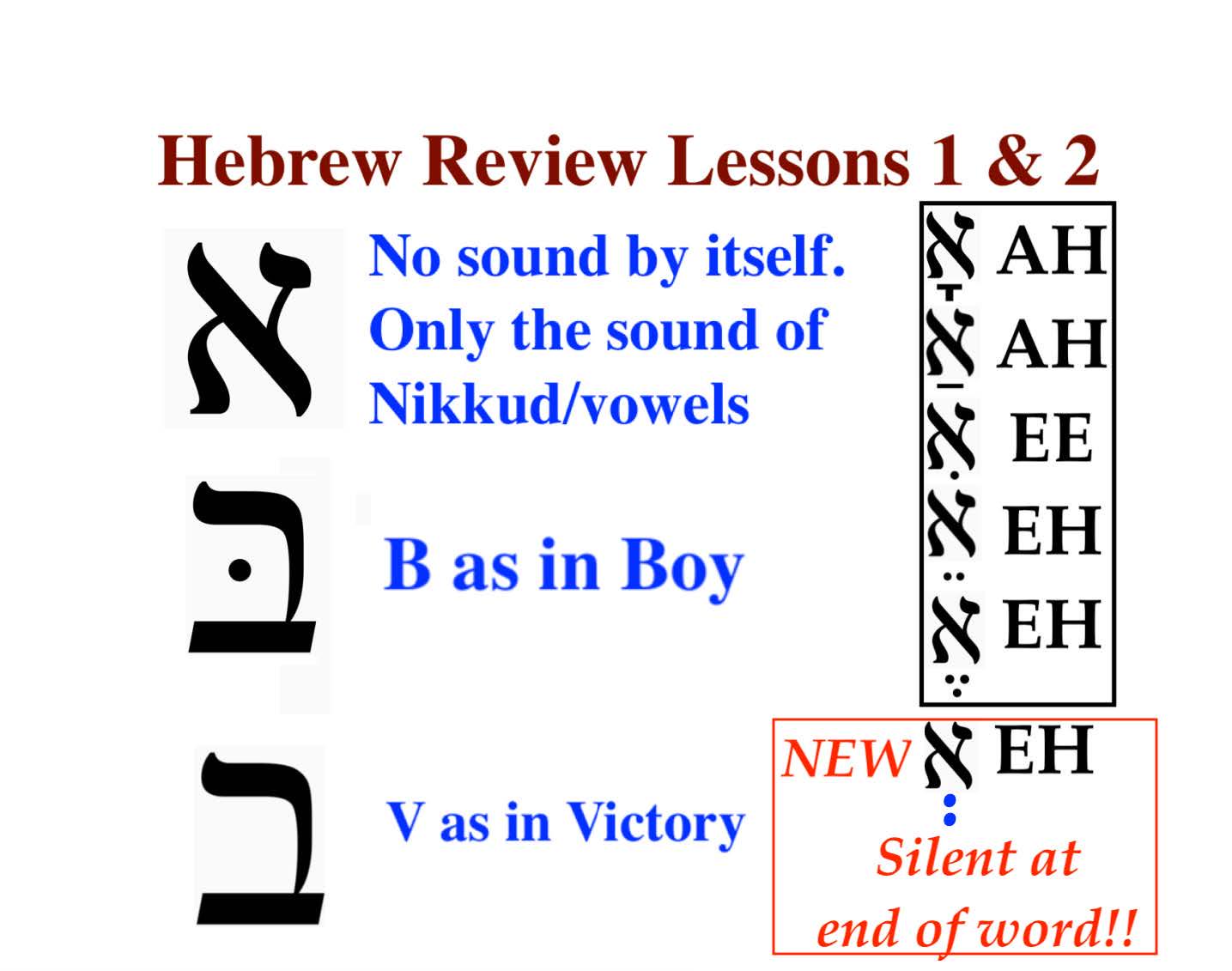
• Bet WITH a dagesh makes a “B” sound, like boy.
• Bet WITHOUT a dagesh is pronounced “V”, and is then called Vet, like victory.
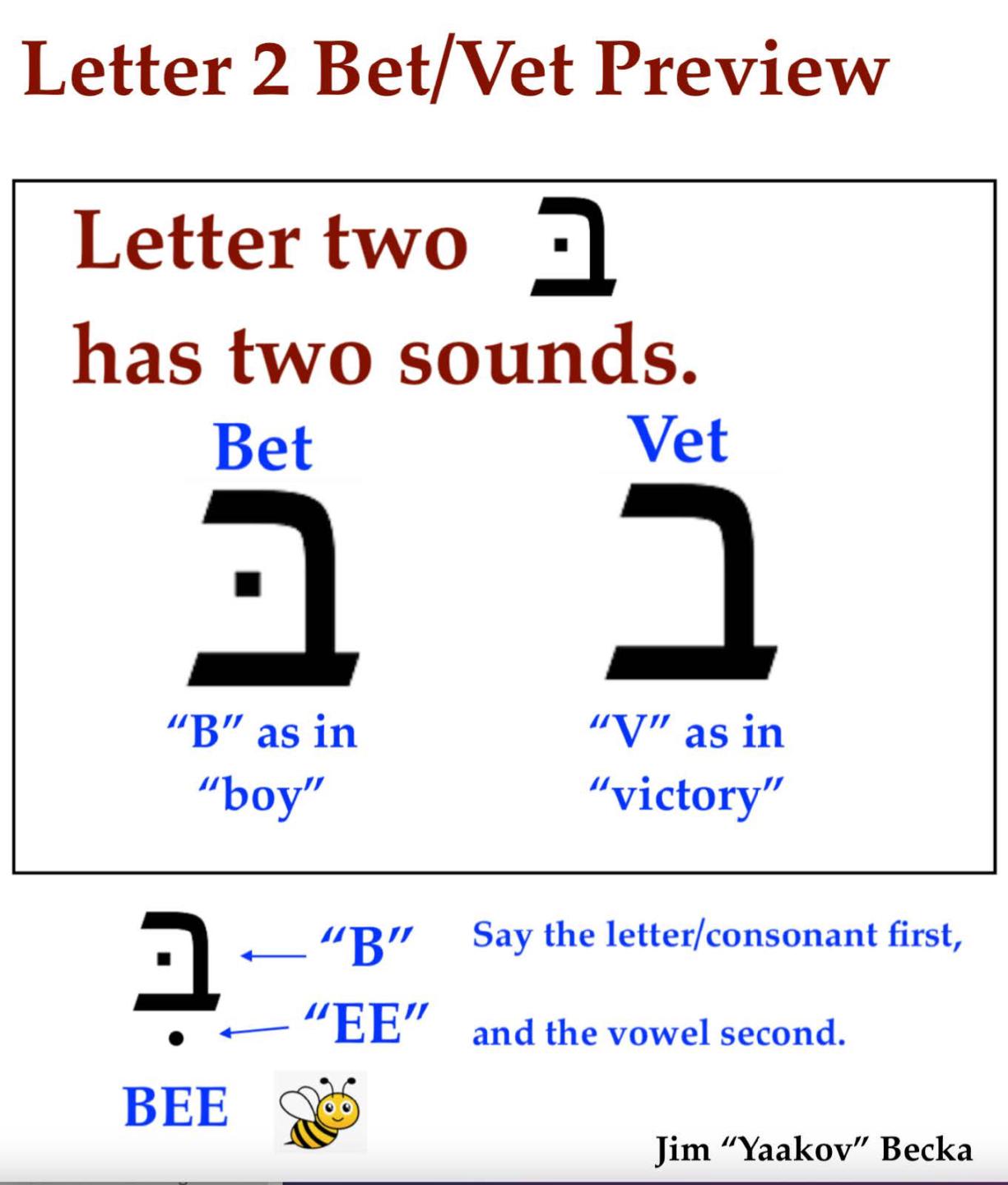
This makes Bet one of only a few Hebrew letters whose sound changes based on the presence of a dot.
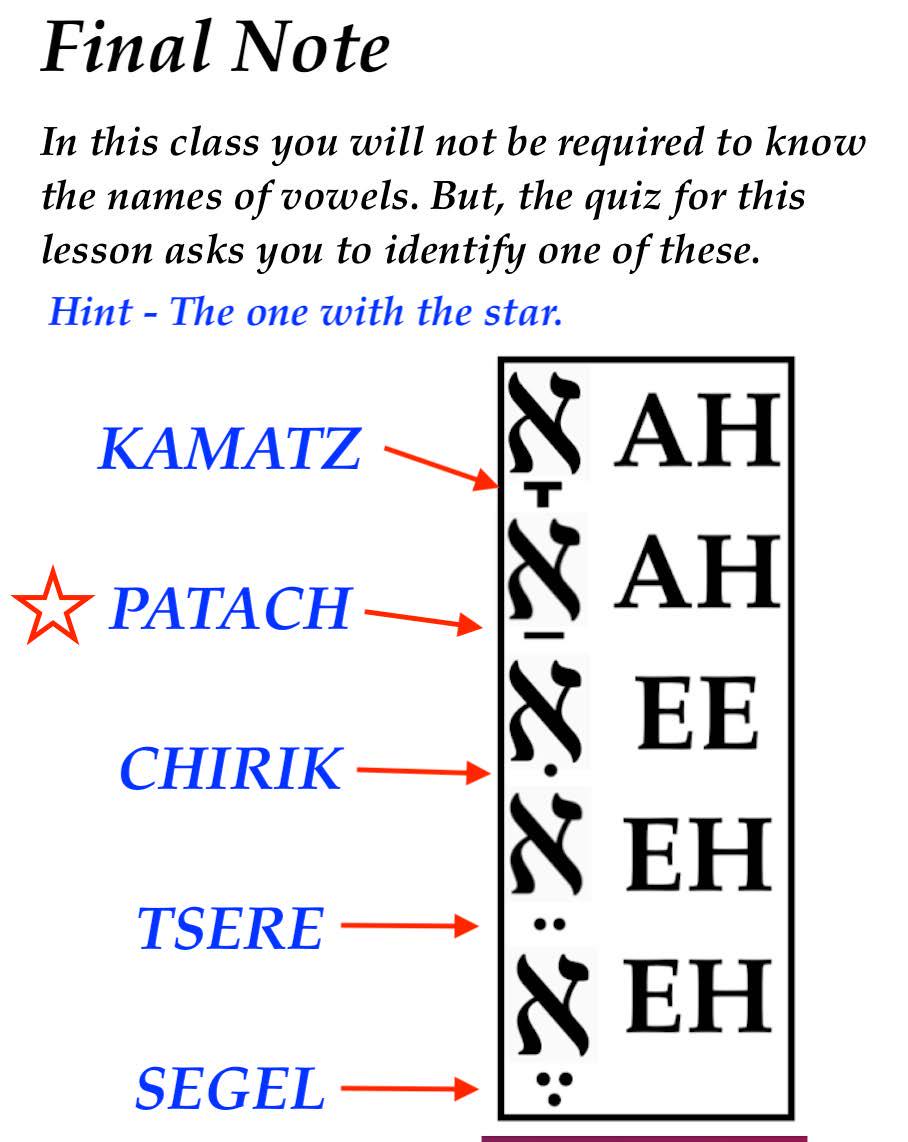
In Hebrew, we always pronounce the letter first, then the vowel second.
For example:
• Bet with a dagesh plus the “AH” vowel becomes BAH
• Vet without a dagesh plus the “EE” vowel becomes VEE
This approach will help you sound out any Hebrew word as you continue learning.
Let’s look at a few real Hebrew words.
• Shabbat (שבת) — Notice the Bet with a dagesh producing the “B” sound.
• Tov (טוב) meaning “good” — Here the letter appears as Vet, creating the “V” sound.
Remember, Hebrew words are read right to left, so always start from the far right side of the word.
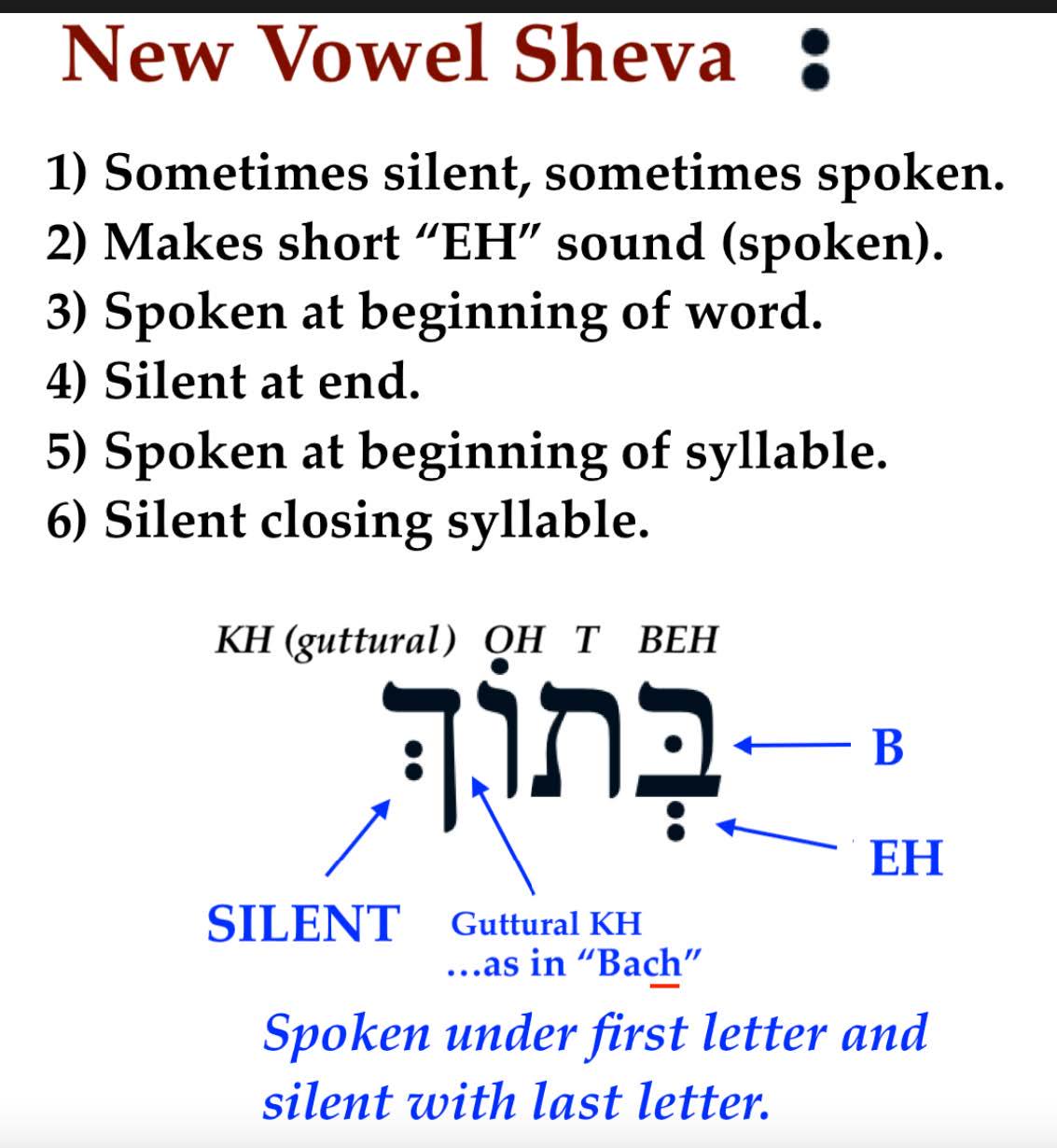
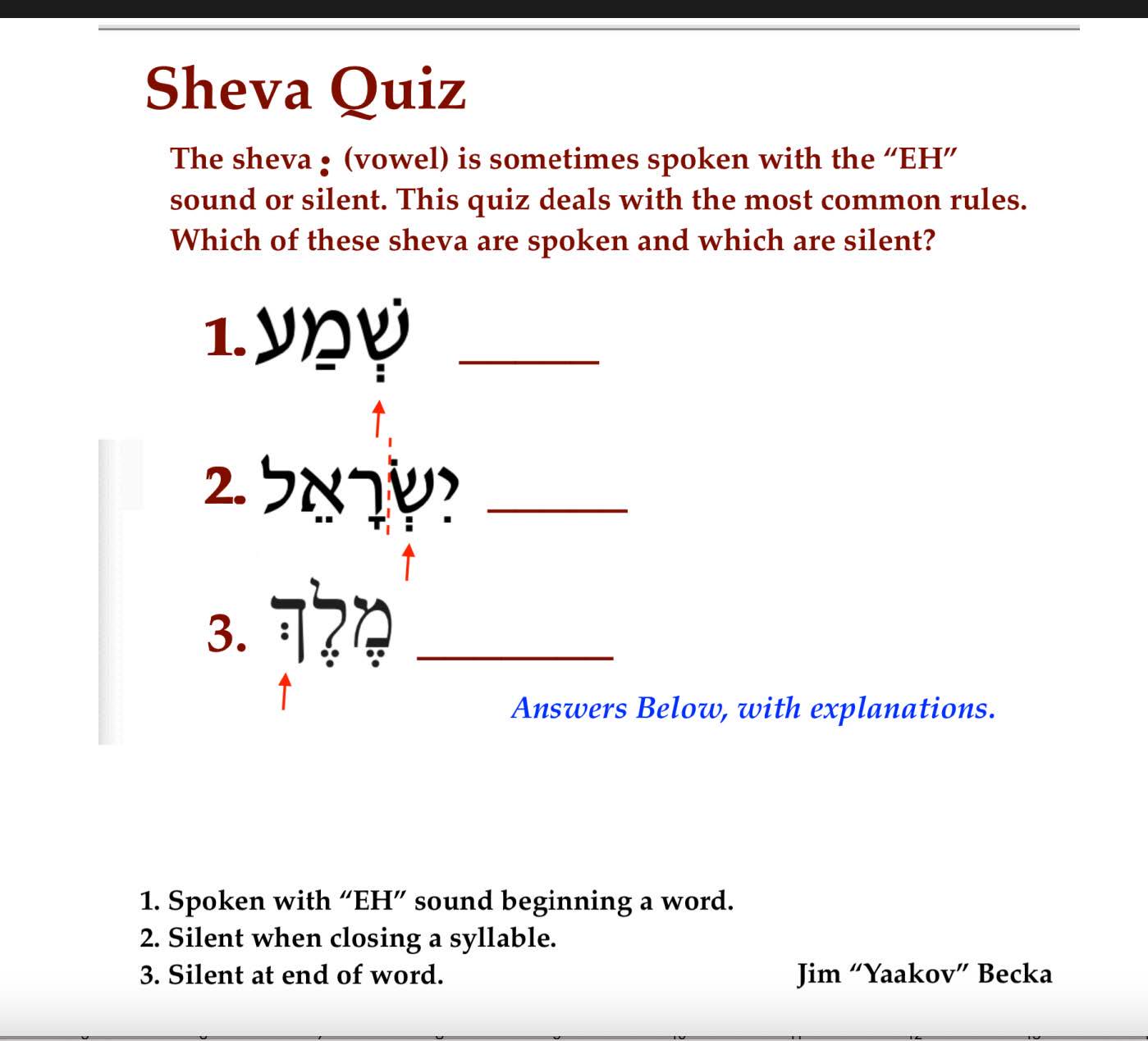
Now we introduce a new vowel called Sheva. The Sheva can be silent or spoken.
• When spoken, it makes a short “EH” sound.
• At the beginning of a word, it is usually pronounced.
• At the end of a syllable or word, it is usually silent.
For example, in the Hebrew word for blessing, the Bet at the beginning uses a Sheva, forming the sound “BEH.”
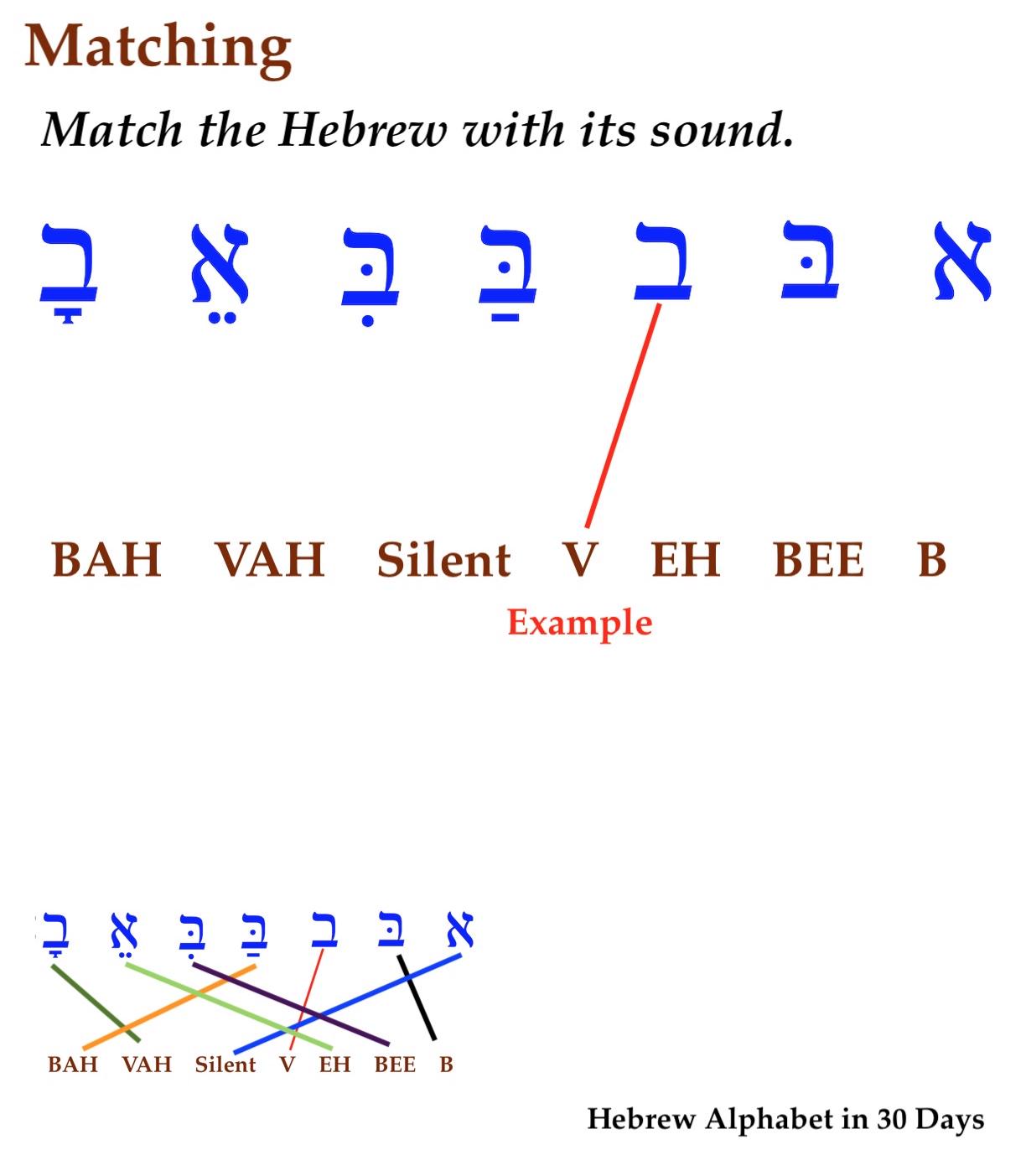
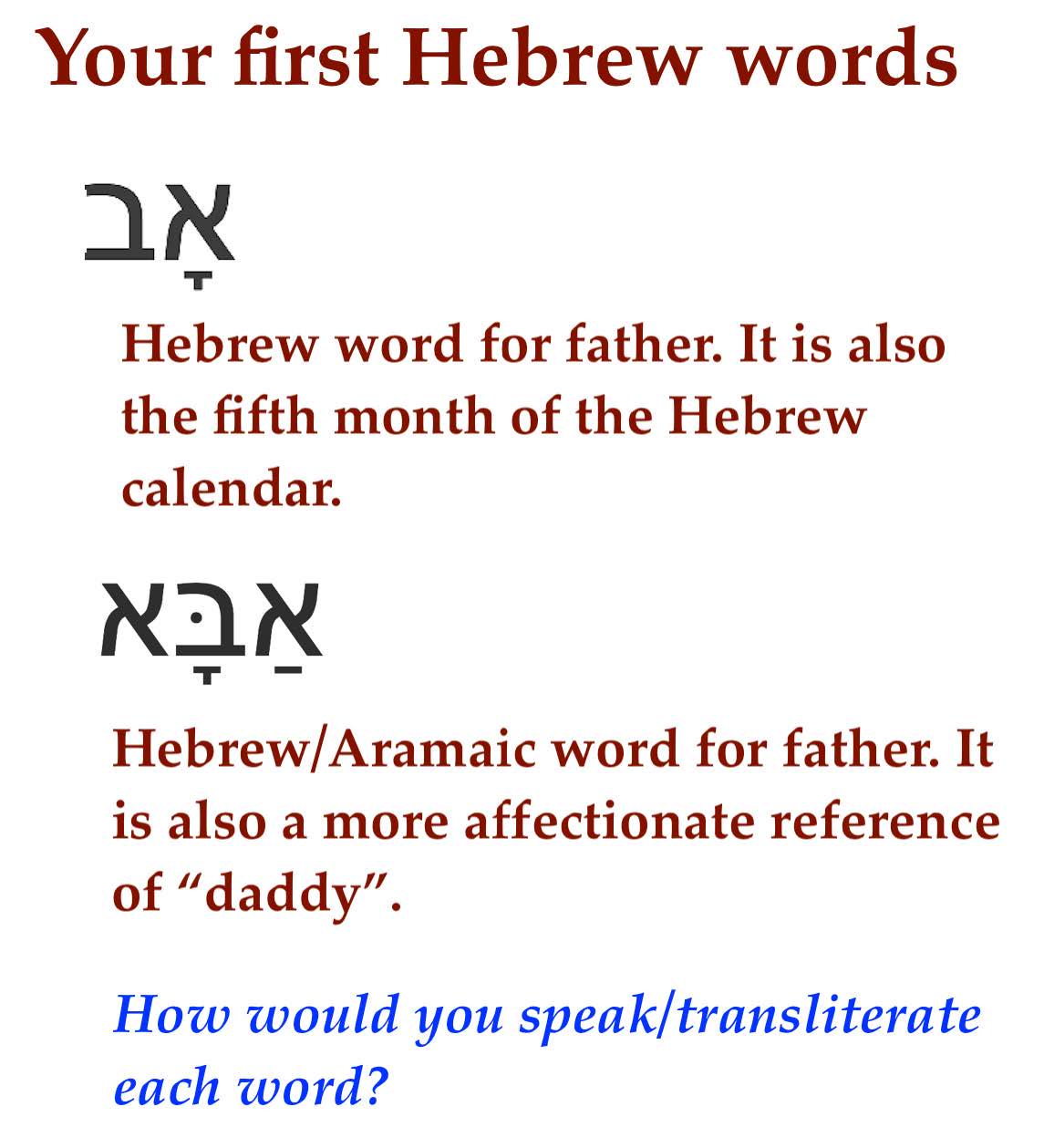
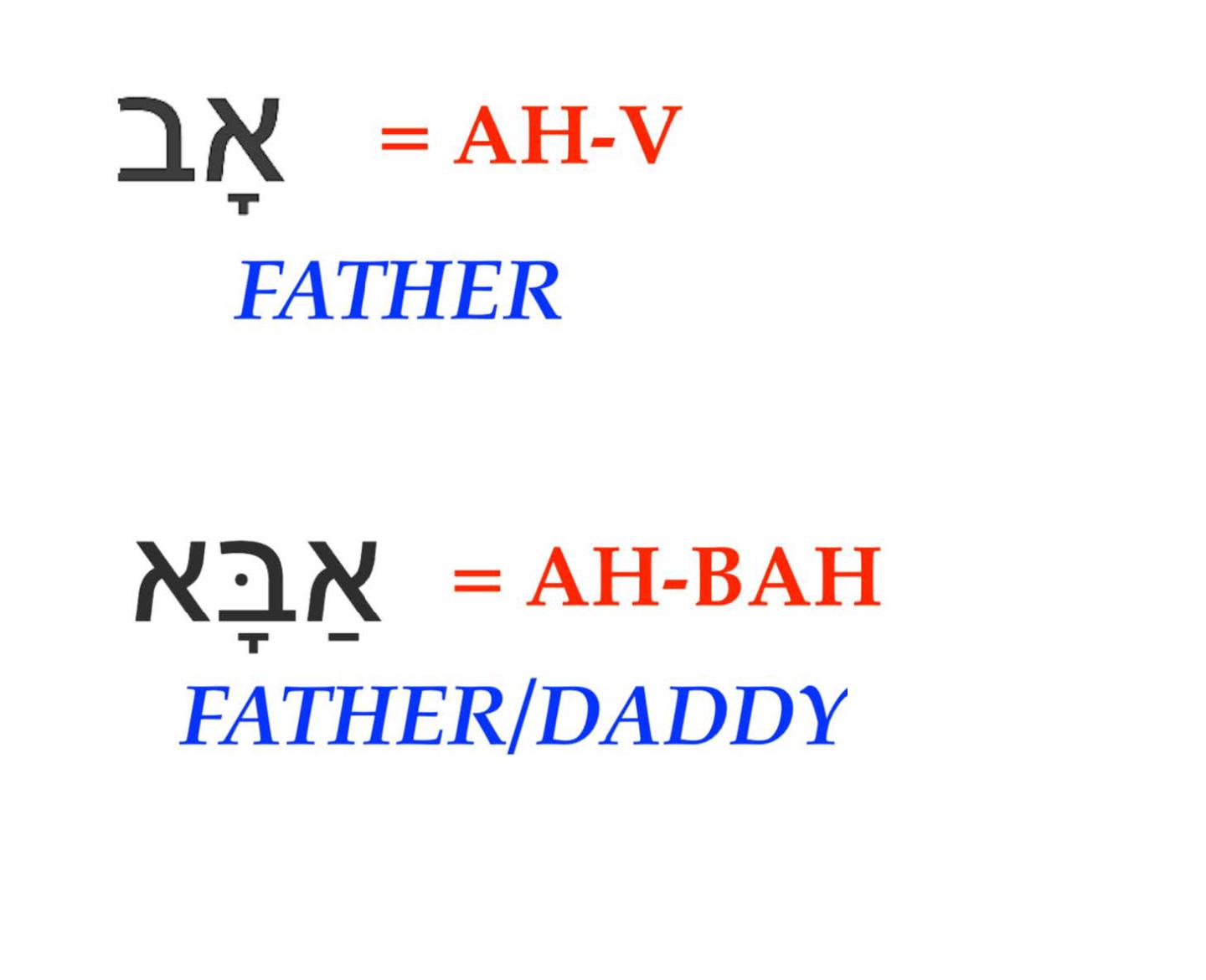
One of the first Hebrew words many people recognize is Abba, meaning father or daddy. This word appears in Hebrew and Aramaic and is commonly used in traditional Jewish prayers as a reference to G-d.
Understanding Bet helps us recognize how foundational Hebrew sounds connect language, prayer, and Scripture.
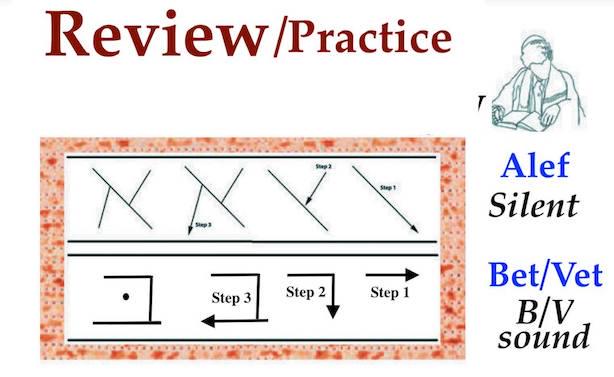
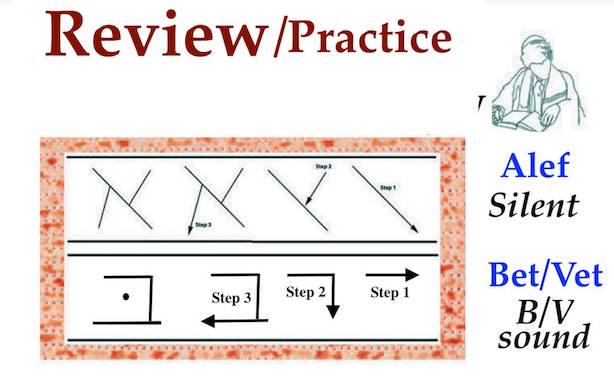
Now let’s practice writing the letter Bet. Follow the stroke order carefully, step by step. Writing reinforces recognition and sound, helping lock the letter into long-term memory.
To review:
• Bet with a dagesh = “B”
• Vet without a dagesh = “V”
• The Sheva may be silent or pronounced “EH”
Practice by identifying the consonant sound first, then the vowel.
Be sure to watch the full lesson video, take the quiz, and listen to the podcast linked below. In our next lesson, we’ll continue building your ability to read and understand Hebrew confidently. Shalom.
Again I am Rabbi Jim “Yaakov” Becka with Free Hebrew Class and this is Intro to Hebrew Reading & Writing
May God Bless You